
3 Travel Hacking Secrets Airlines Don’t Want You to Know
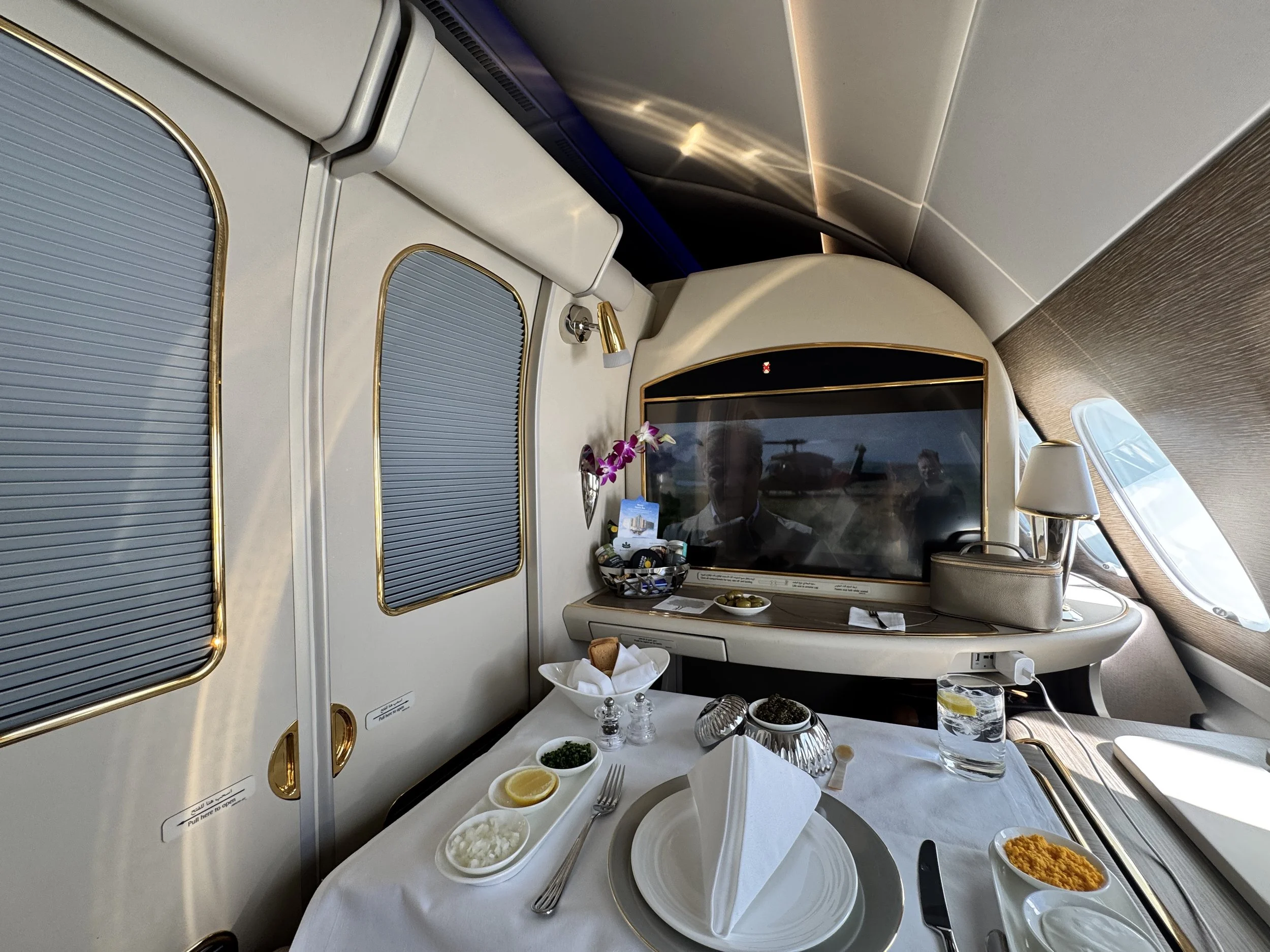
Why the smartest travellers pay less, fly better, and stretch their points further.
Airlines are exceptionally good at making travel feel more complicated than it needs to be. Behind every fare sale, every route, every point-earning promotion and every aircraft decision sits a sophisticated commercial strategy designed to optimise their revenue, and not your experience.
Most travellers have no idea how these systems work, and airlines benefit from that. But once you understand the big-picture mechanics behind pricing, loyalty programs, and fleet deployment, you start to recognise why some people consistently fly in premium cabins for a fraction of the cost… while everyone else pays full price.
Below are three of the biggest, foundational truths in airline economics and loyalty strategy. These concepts alone can dramatically shift the way you book and redeem, and they form the core of what seasoned travel hackers understand instinctively.
1. Most Travellers Use Their Points Incorrectly (and loyalty programs rely on this)
Loyalty programs are engineered to maximise profit, not generosity.
Every time a customer redeems their points for something low-value (gift cards, toasters, poorly priced economy flights, random merchandise), the airline wins. Why? Because those redemptions cost the airline far less than the value of what the customer spent to earn the points in the first place.
The real value of points is not in the random perks or low-cost domestic flights that loyalty programs push to the top of their websites.
The value lies in:
premium cabin redemptions
long-haul routes
partner airline sweet spots
strategic transfer bonuses
high-value upgrades
The difference in value between a poor redemption and a smart one can be staggering. A traveller might burn 50,000 points to save $350 on a cash fare… while someone else uses the same amount of points to unlock a business class seat worth $2,000+.
This isn’t an accident - it’s design.
Understanding where points actually deliver value is the first step towards playing the loyalty game on your own terms rather than the airline’s.
2. Your Departure City Has More Power Over Your Fare Than the Airline Itself
One of the industry’s least obvious truths is that fares are set by regional competition, crew operations and affordability of the local customers, and many other factors, not just distance. Airlines charge what that market will accept, and Australia happens to be one of the most expensive departure regions in the world due to limited long-haul competition.
This is why you often see dramatic pricing differences between:
Sydney - Europe
vs.Singapore - Europe
Manila - Middle East
Bangkok - Europe
Even when the same airline operates both routes, the fare can be disproportionately different.
Travellers who understand this economic reality use a strategy known as repositioning - flying to a more competitive hub first, then beginning their long-haul journey from there.
It’s common to see savings of:
$1,000 - $4,000 per person on cash fares
Lower points requirements on certain airlines
Better cabin options or more availability
More flexibility in timing and routing
Repositioning also increases your chance of flying on better aircraft and better products (more on that next). For many Australians, this one shift alone is enough to travel further and more comfortably for less.
3. Not All Routes Get the Same Aircraft, and It Changes Your Entire Experience
Airlines don’t deploy their best aircraft evenly across their network.
They prioritise routes that matter commercially and competitively, typically:
global financial hubs
high-yield business markets
prestige routes
cities with strong competition
airports with premium lounge facilities
routes with heavy frequency (multiple flights per day)
This means if you’re flying out of a major hub like Singapore, Tokyo, Dubai, Doha, London, New York, or Hong Kong, you are far more likely to enjoy:
a newly refurbished aircraft
the latest business class seats
more consistent crew
better lounges
more frequent reward seat drops
fewer risk of last-minute aircraft downgrades
Meanwhile, departing from a smaller or lower-priority city can result in:
older aircraft
inferior business class seats
fewer available reward seats
reduced cabin consistency
outdated lounges
limited frequency
This is why many seasoned travellers deliberately choose to start their long-hauls from key global hubs, even if they have to reposition to a different city. The difference in comfort and value is substantial, and often the points or cash difference is negligible (or sometimes even cheaper due to more seat inventory).
Why Understanding These Three Secrets Matters
Once you learn these underlying mechanics of the airline world, you begin to see travel differently:
A business class fare isn’t just a price - it’s a product of competition.
A reward seat isn’t “luck” - it’s inventory strategy.
A points balance isn’t valuable on its own -the redemption is.
An aircraft type isn’t random - it’s commercially intentional.
With this understanding, you can:
stretch your points dramatically further
avoid overpriced departure cities
position yourself on better aircraft
unlock premium travel without outrageous spend
build a long-term points strategy that compounds over time
Smart travel hacking isn’t about collecting more. It’s about understanding the system well enough to collect and redeem strategically.
Don’t let premium seats slip away.
Business Class reward seats disappear fast, especially on competitive routes. If you’re serious about using your points strategically:
Book a Strategy Session to build a clear, personalised points roadmap
Or use Seat Search Support and we’ll help you secure the best reward seats available
Your points can take you further than you think.
